
Published 28 January 2026
Fire chiefs call for government action on flooding as Storm Chandra hits UK
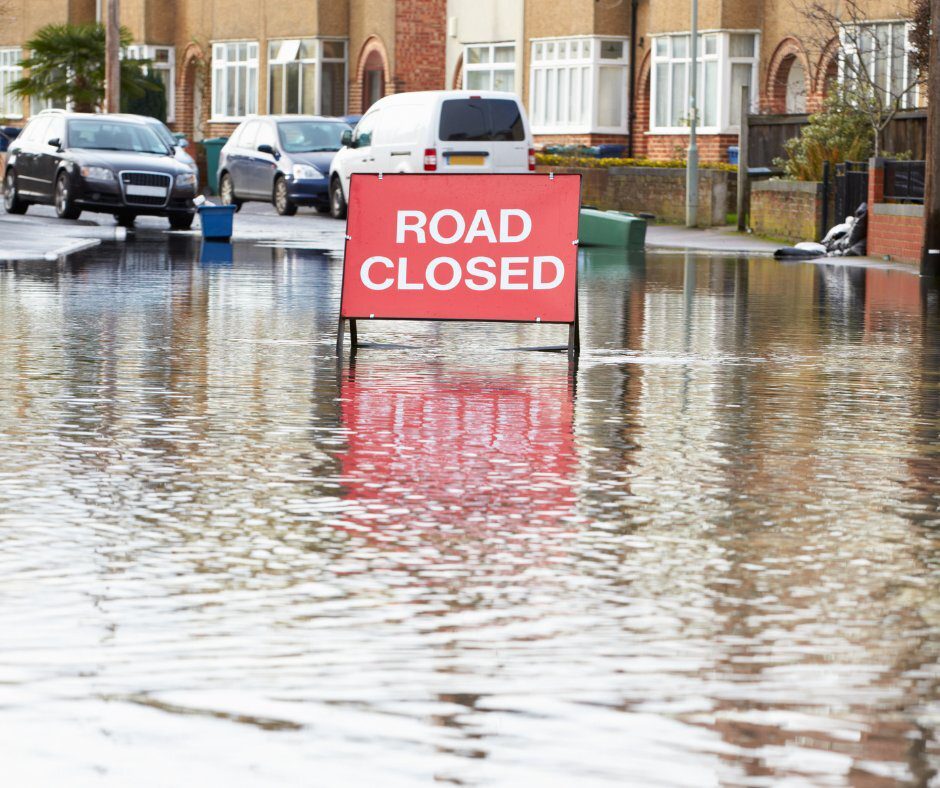
- Storm Chandra has brought flooding and disruption to communities across the UK, highlighting growing pressure on fire and rescue services as extreme weather becomes more frequent.
- Fire chiefs are calling for urgent action from the Government on flood response. The National Fire Chiefs Council (NFCC) says the Government should consult on introducing a statutory duty for fire and rescue services in England to respond to flooding incidents which pose a risk to life.
- Any new statutory duty, fire chiefs say, must be supported by initial capital investment and continuous funding to ensure services can respond safely and effectively.
- Flood risk in England is rising, with millions of properties already at risk and fire and rescue services responding to flooding incidents more frequently than in previous years.
As communities across the UK deal with flooding, travel disruption and school closures caused by Storm Chandra, the National Fire Chiefs Council (NFCC) has today (Wednesday 28 January) warned that flood risk in England is rising faster than the legal and funding framework in place to support the emergency response.
Storm Chandra is the latest in a series of severe weather events to affect the UK early this year, bringing renewed pressure on emergency services and highlighting the growing frequency and impact of flooding incidents. With February marking the anniversary of several major storms including Storms Ciara, Dennis and Jorge in 2020, and Storms Dudley, Eunice, and Franklin in 2022, NFCC says the latest disruption underlines the need to ensure fire and rescue services are properly supported to respond when lives are at risk.
NFCC is calling on Government to consult on establishing a statutory duty for fire and rescue services in England to respond to flooding incidents which pose a risk to life. NFCC says this would be an important step in bringing England into line with the devolved administrations, where statutory duties are already in place, and in providing greater clarity for the public and emergency responders.
Phil Garrigan, Chair of the National Fire Chiefs Council, said:
“Fire and rescue services in England are already stepping in when floods threaten lives, often in extremely challenging and dangerous conditions. Firefighters routinely carry out water rescues, evacuate residents and support communities during major flooding events, and they will continue to do so because that is what the public rightly expects.
“But as climate change drives more frequent and severe flooding, it is no longer credible for this life-saving work to sit outside a clear statutory framework. England is increasingly exposed to flood risk, yet fire and rescue services are being asked to respond without the legal clarity or funding that exists elsewhere in the UK.
“A public consultation on establishing a statutory duty is an essential first step, but it must be backed by proper investment. If services are expected to respond to life-critical flooding incidents, they need the funding, equipment and training to do so safely and consistently, now and into the future.”
Flooding already presents a significant and increasing risk to communities across England. The Environment Agency estimates that 6.3 million properties are currently at risk of flooding, with that figure projected to rise to around 8 million by 2050. Fire and rescue services are also seeing rising operational demand. In the five years to March 2019, there were around 14,900 flooding incidents each year. In the five years to March 2025, that rose to about 18,350 a year – almost 3,500 more, which represents a 23% increase. Flooding is also rising faster than other types of incidents. Since 2016/17, overall incidents have increased by 9.9% but flooding incidents have risen by 16.4%.
Fire and rescue services are a central part of flood response in England, working alongside local authorities, police and ambulance services to protect life during major flooding incidents. Services have developed specialist water rescue capability and expertise, which is recognised nationally and internationally, with UK fire and rescue specialists recently deploying to Mozambique to support flood response efforts.
However, England remains the only UK nation where fire and rescue services do not have a statutory duty to respond to flooding incidents which pose a risk to life. In Scotland, Wales and Northern Ireland, statutory duties are supported by clearer legislative frameworks. Fire and rescue services continue to face significant budgetary pressures and must prioritise resources for activities which are a statutory duty, creating real challenges for services in ensuring they have the equipment, training and resources in place to respond consistently and safely to flooding incidents.
NFCC has stressed that any new statutory duty introduced for flooding response would need to be supported by initial investment alongside sustainable funding. This is necessary to ensure individual fire and rescue services can invest appropriately in the training, equipment and resources required to respond to flooding incidents safely and effectively.
ENDS
Notes to editors
- Storm Chandra was named by the UK Met Office on 26 January 2026. Storm Goretti was named by Météo France on 6 January 2026, while Storm Ingrid was named by the Portuguese Met Service (IPMA).
- February marks the anniversaries of several major storms that caused widespread flooding and disruption across the UK, including Storms Ciara, Dennis and Jorge in 2020, and Storms Dudley, Eunice and Franklin in 2022. These events resulted in significant flooding, evacuations and prolonged emergency response activity.
- NFCC’s Flooding Response Position Statement can be read here.
- Since 2005, Scottish FRS has had a duty to rescue people trapped, or likely to become trapped, by water, and to protect them from serious harm in the event of serious flooding. Similar provisions were introduced in Northern Ireland in 2012 and Wales in 2017. However, Welsh FRSs have a wider ranging statutory responsibility to make provisions, as far as it is reasonable, to rescue people or protect them from serious harm in the event of an emergency involving flooding, as well as rescue people in the event of an emergency involving inland water. No similar requirements are placed on English FRSs.
- The Environment Agency’s National Assessment of flood and coastal erosion risk in England estimates that 6.3 million properties in England are currently at risk of flooding, including 2.4 million at risk from rivers and the sea and 4.6 million at risk from surface water. This represents a 43 percent increase in surface water flood risk compared with the previous national assessment. The number of properties at risk could rise to around 8 million by 2050.
- The UK Health Security Agency estimates that approximately 6.1 million people in the UK currently live in flood prone areas. This comprises almost 1 in 10 people in the UK, however, England accounts for the greatest increase in the number of people at significant risk of flooding.
- MHCLG data on flooding incidents can be found here.
- In January 2026, UK fire and rescue services deployed as part of the UK International Search and Rescue (UK ISAR) team to support flood response efforts in Mozambique following severe flooding.
- The National Fire Chiefs Council (NFCC) is a charity and an independent membership association and the professional voice of the UK Fire and Rescue Service. NFCC supports fire and rescue services to help them to save lives and keep their local communities safe.