
Published 27 March 2026
Fire safety must be embedded in planning from the outset, say Fire Chiefs
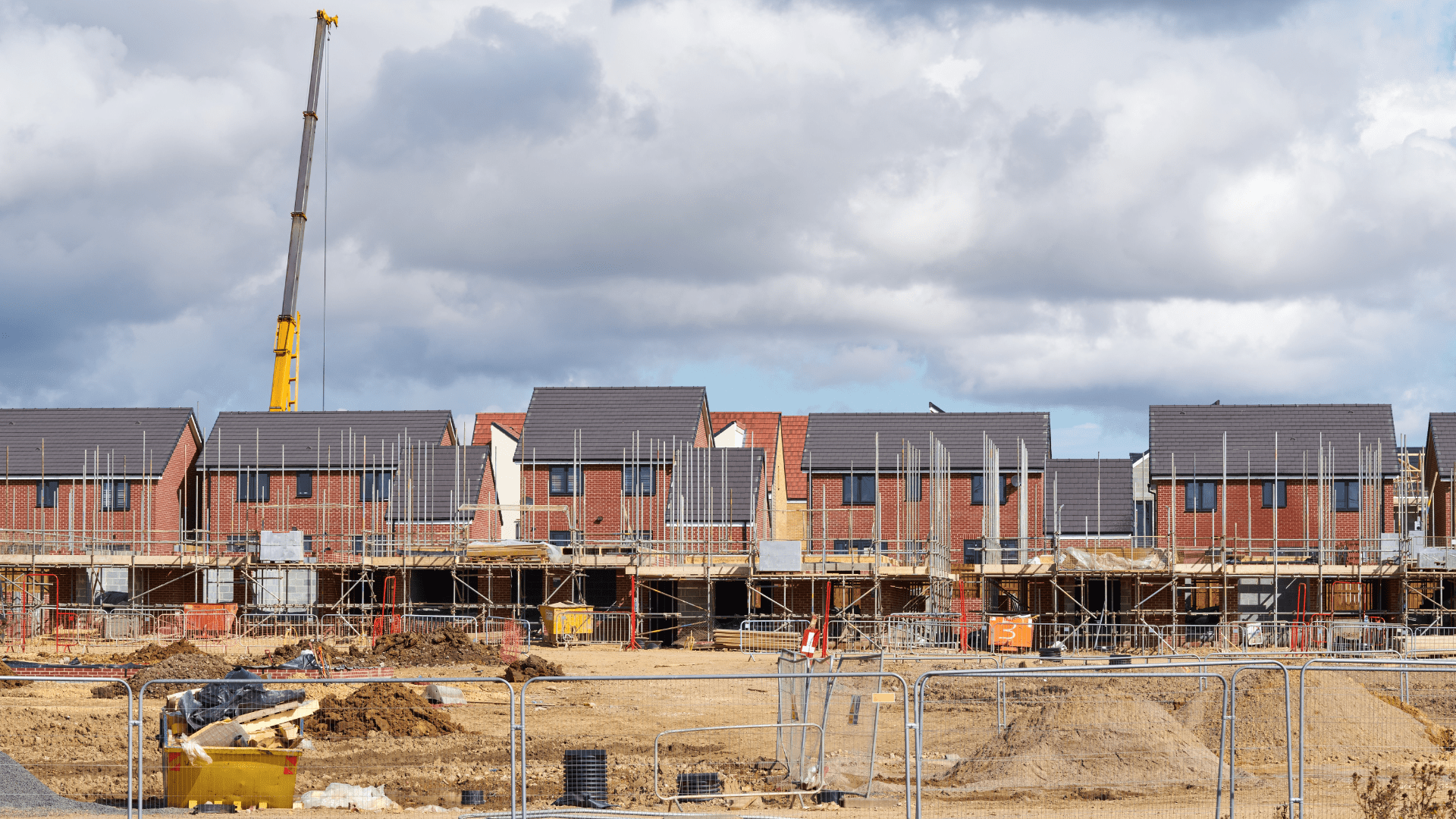
Fire safety must be built into the planning process from the very beginning, the National Fire Chiefs Council (NFCC) has said, as the Government pursues planning reforms as part of its ambition to deliver 1.5 million homes over the next five years. NFCC supports the drive for more affordable housing but warns that safety must remain a fundamental consideration as the planning system evolves. Decisions made during planning, it says, can shape community risk for generations.
Today, NFCC has published a new policy position statement on planning, calling for fire safety to be considered from the outset of all development. Fire and rescue services play a vital role in protecting communities, but the infrastructure they rely on – safe access routes, dependable water supplies and accurate risk information – is often overlooked in the planning stage and only becomes apparent during an emergency.
This builds on NFCC’s recent response to reforms to the National Planning Policy Framework, which emphasised that proposed planning reforms are overwhelmingly focused on accelerating delivery, increasing flexibility for developers, and meeting central government housing targets, without sufficient regard to the safety in the built environment.
While fire and rescue services are statutory consultees at the Building Regulations stage for new builds and building alterations, the planning and building control systems operate separately. This can lead to assumptions that essential fire service requirements – such as site access or layout – have already been addressed when they have not.
The Government has recently expanded the use of Permitted Development Rights, enabling certain conversions or extensions to bypass full planning scrutiny. NFCC warns that while this may speed up housing delivery, it must not lead to developments that later require costly remediation to meet fire safety standards.
National Fire Chiefs Council (NFCC) Chair, Phil Garrigan, said:
“We fully support the Government’s ambition to deliver more homes, and we recognise the role of planning reform in achieving this. But new homes must also be safe, sustainable and resilient.
“Planning decisions shape communities for decades. If fire safety isn’t considered from the very start, the consequences often appear much later – when lives, homes and firefighter safety are at risk.
“It is far better to design safety in from the outset than to try and retrofit solutions once problems emerge.
“We are urging Government to make fire safety a core part of the planning process, with clear requirements that compel planners and developers to prioritise it from day one.”
Additional recommendations include stronger safeguards for residential conversions under Permitted Development Rights, preventing commercial to residential conversions from bypassing full planning scrutiny.
NFCC is also calling for stronger checks in the planning process to ensure fire service expertise is properly considered, including reinstating a formal requirement to consult fire and rescue services on Nationally Significant Infrastructure Projects. The call follows the removal of mandatory preapplication consultation as part of reforms in the Planning and Infrastructure Act 2025.
Fire chiefs say that ensuring suitable access for emergency vehicles and reliable water supplies for firefighting is also critical, warning that no building should be occupied until adequate firefighting water provision has been confirmed.
NFCC says embedding fire safety into planning will ensure the homes and developments built across the country are safe, resilient and able to protect communities long into the future.
NFCC’s policy position also sets out several recommendations to strengthen fire safety within planning. These include formally recognising fire and rescue and other emergency services as essential infrastructure within developer funding mechanisms such as Section 106 and the Community Infrastructure Levy – allowing new developments to contribute towards stations, equipment and other emergency service resources.
NFCC is also calling for developers, rather than fire and rescue services, to fund fire hydrant installation for new developments.
ENDS
Notes to editors
- A copy of NFCC’s Planning Position Statement can be found here.
- The Position Statement sets out a series of recommendations. NFCC calls on Government to:
Building Regulations & Permitted Development Rights (PDR)
- Remove the option for commercial to residential conversions under PDR.
- Require the whole of a building converted to residential purposes to comply with the Building Regulations 2010 (as amended) rather than just that part subject to actual building work.
- Mandate developer engagement with Building Control Bodies when using PDR, including provision of a fire statement demonstrating how fire safety standards will be met.
Planning System & Fire Safety Oversight
- Maintain a statutory mechanism for fire and rescue service involvement in Nationally Significant Infrastructure Projects.
- Introduce a formal process ensuring fire and rescue service concerns raised through consultation are addressed.
- Update legislation and guidance to ensure climate related risks are properly mitigated.
Access & Firefighting Water Supply
- Require Spatial Development Strategies to include dedicated fire safety sections.
- Ensure local plans confirm adequate firefighting access, facilities, and water supplies for all premises, including those developed under PDR.
- Make planning approval conditional on adequate firefighting water supplies (hydrants, storage tanks, open water sources, or combinations).
- Prevent occupation of any building until a Registered Building Inspector confirms sufficient water provision, including compliance with Part B5.
- Strengthen specifications for water pressure and flow rates, replacing current vague guidance to guarantee appropriate firefighting supplies.
Funding & Infrastructure
- Properly fund fire and rescue services to ensure emergency services infrastructure meets community needs.
- Update Section 106 and Community Infrastructure Levy (CIL) definitions to formally recognise emergency services as essential infrastructure, including equipment, resources, and facilities.
- Require developers – not fire and rescue services – to fund initial fire hydrant installations where identified through planning permission.
- A copy of NFCC’s response to the recent consultation on the National Planning Policy Framework can be found here.
- The National Fire Chiefs Council (NFCC) is a charity and an independent membership association and the professional voice of the UK Fire and Rescue Service. NFCC supports fire and rescue services to help them to save lives and keep their local communities safe.