Published 19 December 2025
Prevention activity essential to help prevent fires in the home, say Fire Chiefs
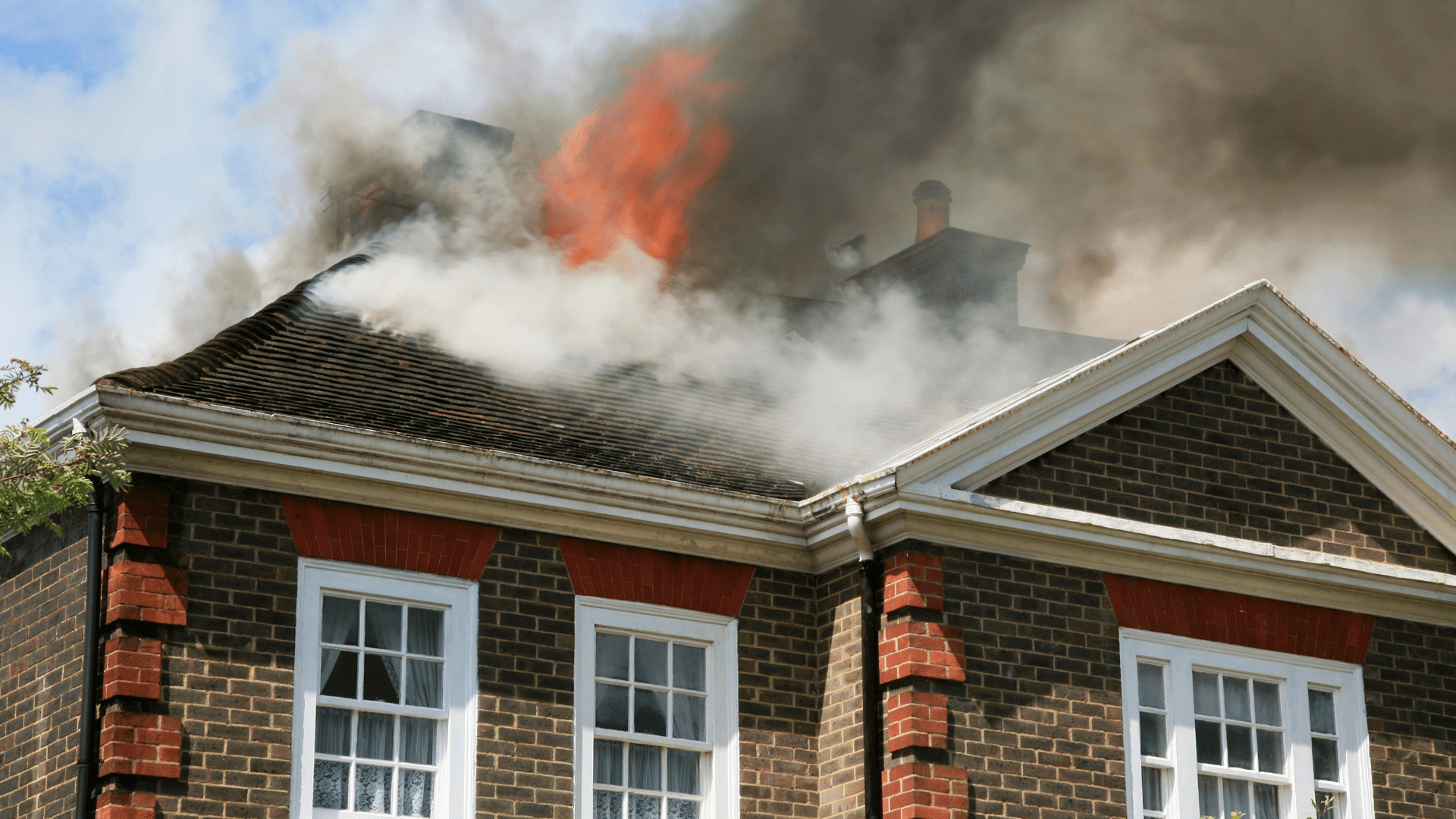
- With over 250,000 accidental dwelling fires in England over the past decade, more than 1,800 people have died and almost 45,000 have been injured, with the risk of fire particularly high over the festive period.
- Fire Chiefs say stronger prevention and more effective partnership working, including improved data sharing, are essential to reaching those most at risk.
- Research shows fire and rescue service prevention work saves lives and money, with Home Fire Safety Visits delivering £2.75 in savings for every £1 invested.
- Following this week’s Local Government Finance Settlement, NFCC says prevention and education work must be properly supported to reduce deaths in the home.
With fires in the home remaining the leading cause of fire-related deaths in the UK, Fire Chiefs have said today that say the best gift government could give this Christmas would be ongoing support for activity to reduce preventable fire deaths and serious injuries in the home, including greater investment in life-saving fire safety advice and education. The National Fire Chiefs Council (NFCC) said in its Home Safety Position Statement, published today (Friday 19 December), that reducing deaths in the home depends on strong prevention work, including improved data-sharing to identify risk and long-term investment in education and public awareness campaigns.
Government data shows that in England alone, there have been 1,804 deaths and 44,806 injuries from accidental dwelling fires over the last decade. It also shows that the risk of fire is particularly high over the festive period, with people more likely to experience a fire in December than in the average month of the year, and more likely to have a fire on Christmas Day than on any other day.
Many of these deaths are preventable. Fire Chiefs say stronger prevention and better partnership working are essential to reaching those most at risk. Nearly one-third of people who die in fires are known to health or social care services, yet the information that could help prevent fires is often held across different organisations. Improving lawful and effective data sharing between fire and rescue services, local authorities, the NHS and other partners would allow earlier, more targeted intervention, helping to prevent fires before they happen and save lives.
NFCC Chair, Phil Garrigan, said:
“Fire and rescue services are doing more than ever to keep people safe in their homes. We see every day how a simple conversation or home visit can make the difference between life and death.
“Too many of the tragedies we respond to could be prevented. When organisations share information and work together to identify risks and vulnerability factors, fire and rescue services can stop the fires before they happen and spare families the devastation they cause.
“The risks people face at home are changing, and prevention must keep pace – focusing on those most at risk, with the investment needed built into the core funding of the fire and rescue service.”
Fire and rescue services play a crucial role in protecting communities through home visits, education and wider prevention work. Fire risks in the home are also changing, with increases in vulnerable populations, more care at home, and the growing use of devices with lithium-ion batteries. To support this prevention work at scale, NFCC is calling for long term investment in home fire safety education to support national campaigns, school learning through StayWise, and awareness work across housing, health and care sectors.
Home Fire Safety Visits are carried out by fire and rescue service staff, who assess risks in people’s homes, install fire safety equipment such as smoke alarms and provide tailored advice to help residents stay safe. NFCC says this prevention work is not only life-saving but cost-effective. Research by the University of Liverpool shows that every £1 invested in Home Fire Safety Visits generates £2.75 in savings through reduced fire, health and social care costs. These visits also provide early intervention and safeguarding opportunities that lessen demand on other public services.
Following this week’s Local Government Finance Settlement, NFCC says funding for home fire safety education must sit alongside its long-standing call for sustained investment in the fire and rescue sector as a whole.
NFCC’s Home Safety Position Statement calls on the UK and devolved governments to:
- Update national fire and rescue frameworks to recognise person-centred Home Fire Safety Visits as a key tool for delivering consistent, effective advice, and to reference NFCC’s Person-Centred Framework Guidance.
- Make a strategic, multi-year funding commitment for home fire safety education, supporting national campaigns, school learning through StayWise, and awareness work across housing, health and care sectors.
- Support data sharing between relevant agencies (including government) and partners to refine the targeting of home fire safety activity towards those most at risk, including through the development of a household fire-risk model linking fire and health data.
- Ensure local authorities have the funding and capacity to inspect and enforce smoke, heat and carbon monoxide alarm regulations in private and social rentals.
Fire safety advice to members of the public
- NFCC is also reminding people of the simple precautions they can take to stay safe at home this winter.
- Working smoke alarms remain the most effective way to protect against fire, and escape routes should always be kept clear.
- People are also encouraged to take extra care with electrical items by avoiding overloaded sockets, unplugging lights and chargers overnight, and choosing products that meet UK safety standards.
- Candles, heaters and decorations should also be kept well away from flammable materials such as curtains or furnishings. For tailored advice, people can complete NFCC’s free Online Home Fire Safety Check (OHFSC)to help reduce the risk of fire in their homes.
ENDS
Notes to editors
- NFCC’s Home Safety Position Statement can be read here.
- Figures on accidental dwelling fires, deaths and injuries in England are drawn from MHCLG fire statistics.
- NFCC analysis of MHCLG daily incident data, carried out in December 2024 using figures from a ten-year period, showed a clear seasonal increase in accidental dwelling fires. People in England were around 10% more likely to experience an accidental home fire in December than in the average month of the year, and 53% more likely to have a fire on Christmas Day than on any other day. The rise is linked to additional household hazards during the festive period, including decorative lights and decorations, candles and open flames, as well as potentially faulty products such as toys or chargers and devices.
- Government research on the profile of fatal and severe casualty victims of fire found that the risk of being a fatal fire victim increased with age, and that the highest proportion of fatal fires were in households containing a single person over pensionable age. Fatal and severe casualty fires also occur more frequently in deprived areas. Though this analysis does not list receipt of health and/or social care packages directly, these can be implied by the proxies of age, living alone, and deprivation.
- StayWise is NFCC’s national education platform, providing free teaching and learning resources on safety topics for schools, youth groups and families.
- The £2.75 saving for every £1 invested in Home Fire Safety Visits is based on research by the University of Liverpool, published in the Journal of Risk Research.
- A BBC News story from June 2025 highlighted how fire safety education and early advice can save lives. In the report, a resident said he knew how to respond when a fire broke out thanks to fire safety leaflets he had received through his door.
- The National Fire Chiefs Council (NFCC) is a charity and an independent membership association and the professional voice of the UK Fire and Rescue Service. NFCC supports fire and rescue services to help them to save lives and keep their local communities safe.