Be a fire control professional
Fire control is central to every emergency response.
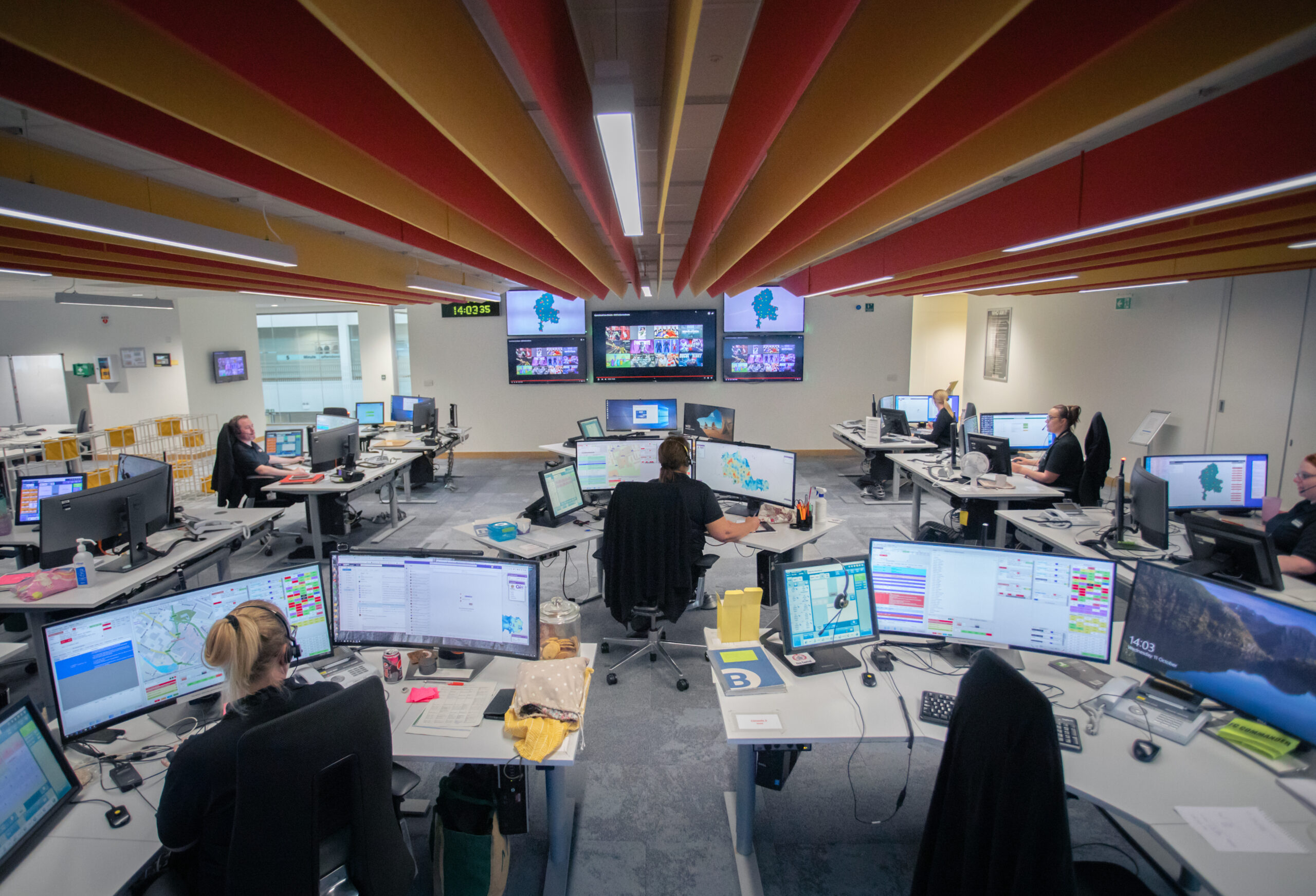
Fire control personnel, also known as fire control operators or firefighter (control), play a vital role from the moment a 999 call is received, through to its safe resolution and beyond. Communicating clearly and staying calm under pressure, they ensure vital information is captured, and fire crews are mobilised quickly and effectively in situations where every second counts.
The information fire control personnel gather and share can be critical to saving lives, enabling responding firefighters to prepare the most effective plan of action before they arrive at the incident.
Fire control personnel provide essential safety advice to callers, including lifesaving fire survival guidance, when necessary, all the while maintaining constant communication with the fire crews.
FBU | Control - Claire's Story
Dorset & Wiltshire FRS - Calling 999
Meet the Northamptonshire FRS Control Room
Video Modal
Using technology and thorough training, fire control personnel manage resources, and support fire crews during incidents. They gather and share detailed information as the situation develops and liaise with other emergency services and other agencies. The role requires diligence, composure, and strong teamwork, all built on a foundation of integrity, resilience and excellent communication skills.
This is a highly skilled role that goes far beyond answering phone calls; it is a commitment to public service. Each member of fire control is part of a team that prioritises the protection of lives, property, and communities around the clock.
This vital work ensures every incident is managed safely and effectively, with the best possible outcome for the public.
Join us and play a critical role in keeping people safe when it matters most
For those who thrive in fast-paced environments and want to contribute to something meaningful, fire control offers a unique, well-respected, and rewarding career opportunity.
Why work in fire control
Fire control operators are critical and essential to every emergency response. It is a role where every decision counts and your actions have a direct, positive impact.
You will be making a real difference when people need it most. It is:
- Challenging and stimulating: No two shifts are the same. You will need to think fast, stay calm under pressure, and use technology to coordinate life-saving responses.
- A vital part of a multi-agency team: You will be a crucial member of the team, working closely with firefighters, ambulance crews, and police, supporting and guiding emergency teams in real time.
- Critical in moments that matter: You will be the calm, reassuring voice during some of the most distressing moments in people’s lives. Your quick, accurate decisions can make the difference between life and death.
- All about teamwork and purpose: You will be part of a close-knit, supportive team united by a shared mission. Every shift is about working together under pressure, making life-saving decisions, and going home knowing you made a difference.
What fire control do
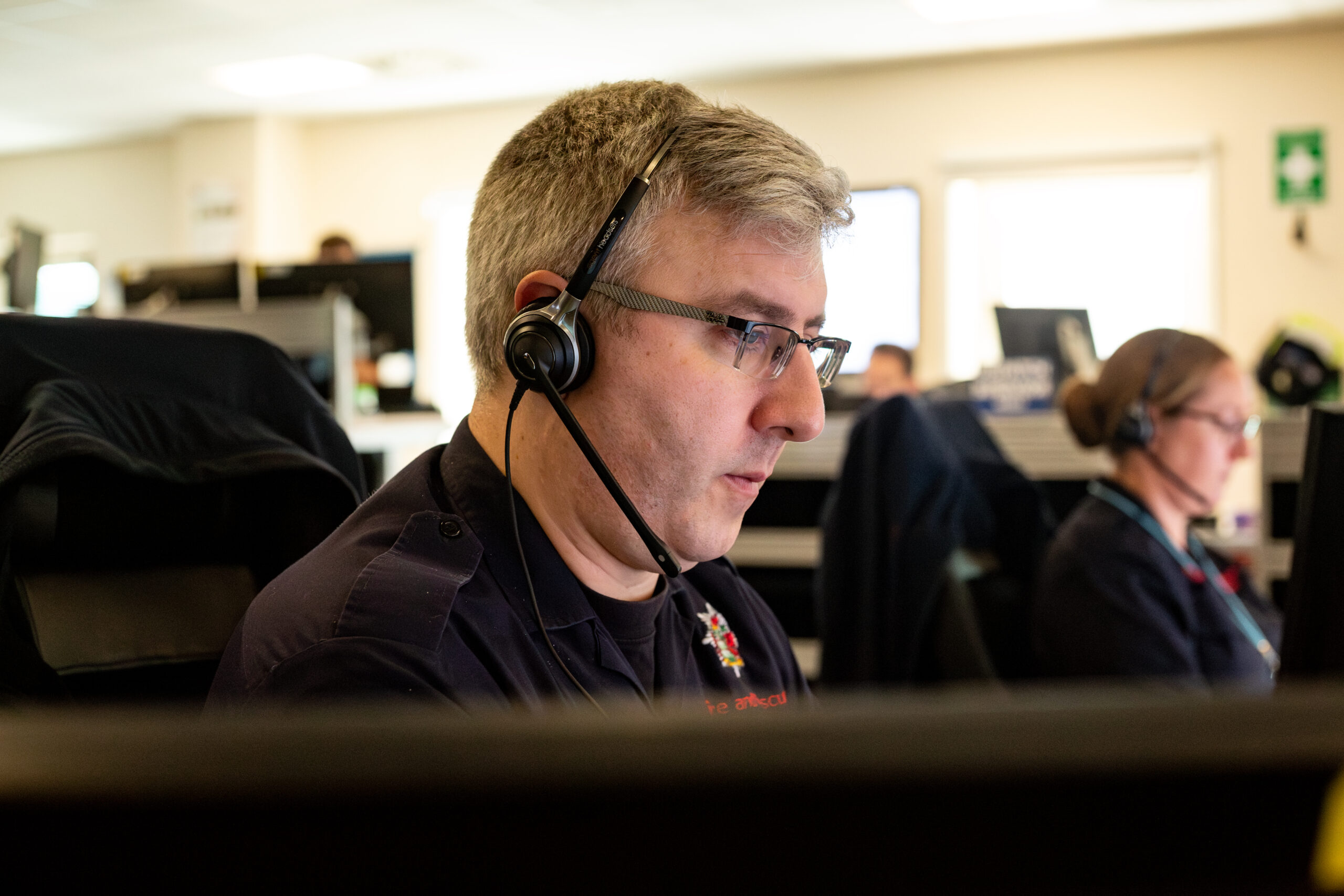
Fire control is the first point of contact for 999 emergency calls for the fire and rescue service. Fire control operators actively manage the incident from start to finish, from when the emergency call is received, through to its conclusion and beyond.
Fire control personnel:
- Receive and manage 999 emergency calls to the fire and rescue service;
- manage and mobilise fire and rescue service assets;
- communicate with other emergency services and other agencies when needed;
- monitor and manage radio communications and other communication systems;
- monitor and support incidents from start to finish and maintain accurate logs;
- record data to contribute to learning and improvement and statistical reports;
- handle a range of non-emergency telephone and email communications;
- manage and carry out other essential activities in relation to incidents and the day-to-day work of the fire and rescue service; and
- take part in ongoing training and development activities.
In addition to core functions each fire control carries out, they may also undertake additional activities that are specific to the individual fire and rescue service. These will be identified in their fire and rescue service’s policies and procedures, and appropriate training provided.
Fire control manages calls to a range of different types of incidents, such as property fires, flooding, road traffic collisions, wildfires, and terrorist incidents. Occasionally there may be calls that are particularly difficult. Emergency calls can come from people who are having the worst day of their life; they may be distressed, frightened, and confused. While fire control personnel need to be able to deal with these calls in a calm and reassuring manner, there will be times when the nature of the incident can have an effect.
Initial and ongoing training is provided to prepare you to deal with difficult calls. Post-incident support is provided following the more challenging or traumatic incidents you may deal with.
Each fire and rescue service also provides its employees with access to health and wellbeing support and resources, either via an employee assistance programme, or bespoke services that may include services such as counselling and physiotherapy.
Ready to learn more?
Visit Fire Control – The Role to learn more about what you need to work in fire control, and what you can expect from a role in the fire service.