Published 4 November 2026
Fire chiefs urge public to back firefighters ahead of busy autumn period
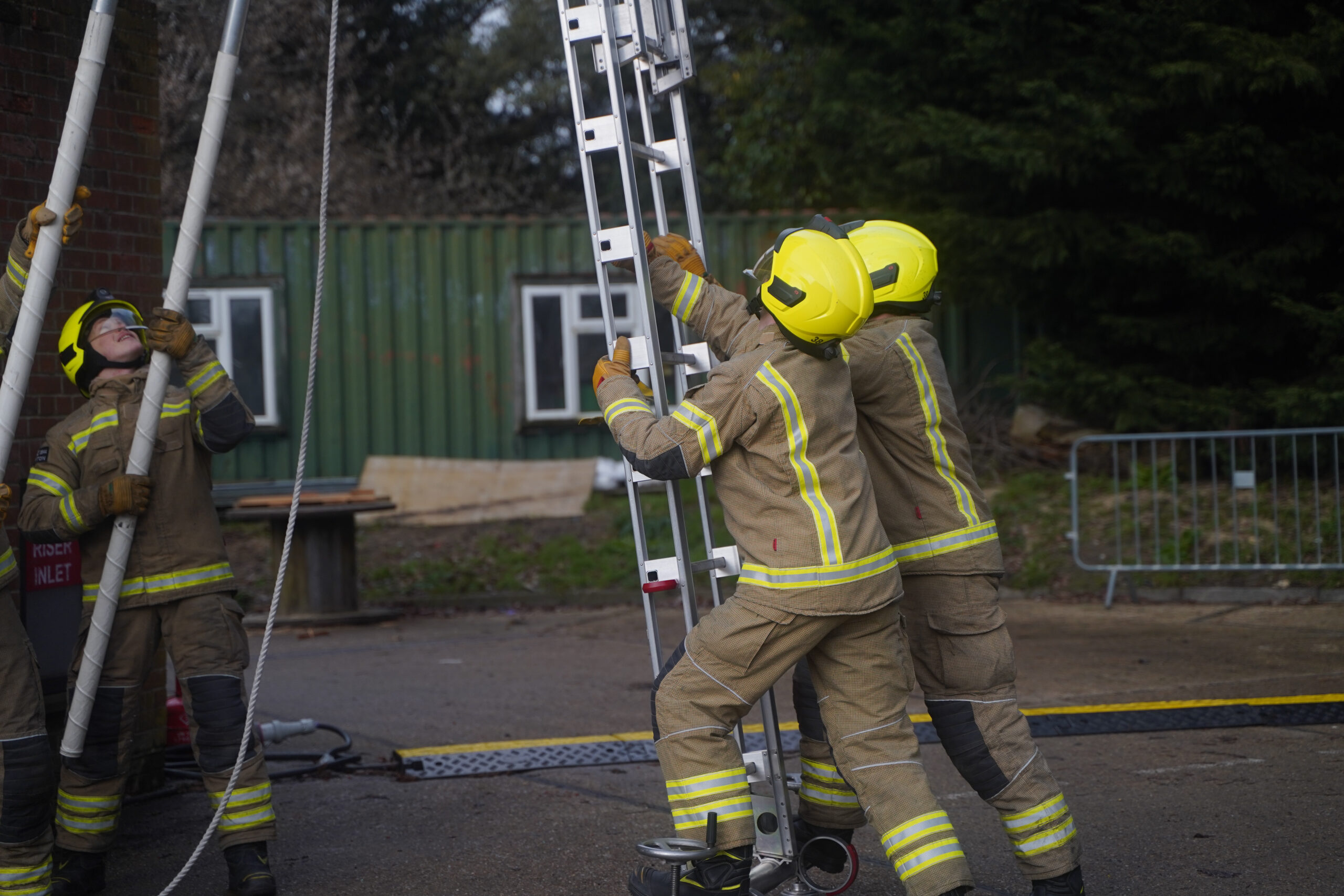
Fire chiefs are calling for the public to get behind firefighters ahead of a busy autumn period as they work to keep communities safe. The call comes as official figures show a rise in the number of crews injured in attacks while responding to emergencies in recent years.
Ministry of Housing, Communities, and Local Government (MHCLG) figures show that 129 firefighters were injured in attacks in England in the year ending March 2025, a 34% increase on the 96 recorded the previous year. Of these, 13 suffered serious injuries requiring a hospital stay.
The figures also show there were 933 incidents involving attacks on firefighters in England in 2024/25. Although this was slightly lower than the previous year, attacks remain significantly higher (61%) than a decade ago, when 578 incidents were recorded.
The majority of incidents were categorised as verbal abuse, but attacks on firefighters can also involve physical violence, threatening behaviour and objects being thrown at crews while they are responding to emergencies.
The issue extends beyond England. Figures from the Scottish Fire and Rescue Service show that attacks on staff rose by 30% in 2025/26, from 59 to 77 incidents, including 16 physical attacks and 20 attacks on property and equipment.
The National Fire Chiefs Council (NFCC) is highlighting the impact that violence and abuse can have on firefighters and the communities they serve as fire and rescue services enter a period of increased demand associated with Bonfire Night, and other seasonal events.
NFCC Chair, Phil Garrigan, said:
“Firefighters put themselves on the line to protect others, as they demonstrated during the busiest wildfire season on record. They should never face violence or abuse from the people they are there to help.
“Behind every uniform is a person. Firefighters are mothers and fathers, sons and daughters, brothers and sisters, friends, neighbours and members of the communities they serve. They return home to their families after every shift just like anyone else.
“Every attack on a firefighter is unacceptable. As well as putting individual firefighters at risk of harm, it can affect their ability to respond effectively and protect the communities that rely on them.
“As we enter a busy autumn period, we are asking everyone to treat firefighters with the respect they deserve so they can continue keeping people safe.”
Alongside raising awareness of the dangers of attacks on firefighters, NFCC has also supported measures aimed at reducing the misuse of fireworks.
In its recent response to a government consultation on fireworks and pyrotechnics, NFCC backed tighter restrictions on the sale of certain higher-risk fireworks to the public, including rockets and other projectile fireworks. These measures could help reduce attacks on emergency workers, deliberate fire-setting and anti-social behaviour, while allowing people to continue enjoying fireworks responsibly and through professionally organised displays.
ENDS
Notes to editors
- Figures on attacks against firefighters in England from the Ministry of Housing, Communities and Local Government’s fire and rescue workforce statistics can be found here. The figures relate to the year ending March 2025 and are not specific to Bonfire Night.
- Figures on attacks against staff in Scotland from the Scottish Fire and Rescue Service’s Fire Safety and Organisational Statistics can be found here. The figures relate to the year ending March 2026 and are not directly comparable with those for England due to differences in reporting periods and how attacks are recorded.
- Further information on the October 2025 incident in Wirral, in which three firefighters suffered temporary hearing loss after fireworks were aimed at their fire engine, can be found here.
- Figures on attacks against firefighters on Bonfire Night 2025, including the two incidents reported by Merseyside Fire and Rescue Service, can be found here. Further details of the incident involving firefighters attending a high-rise fire in Huyton can be found here.
- NFCC responded to the UK Government’s consultation on fireworks and pyrotechnics in October 2026. The response supports tighter restrictions on certain higher-risk fireworks, including rockets and other projectile fireworks, reducing the maximum permitted noise level for fireworks sold to the public to 90 decibels, and strengthening measures to reduce the risks associated with fireworks misuse. It also emphasises the importance of clear guidance, effective enforcement and allowing sufficient time for businesses and consumers to adapt to any changes.
- The National Fire Chiefs Council (NFCC) is a charity and an independent membership association and the professional voice of the UK Fire and Rescue Service. NFCC supports fire and rescue services to help save lives and keep local communities safe.