Published 11 August 2026
Fire Chiefs warn of sustained wildfire pressures as drought spreads across England and Wales
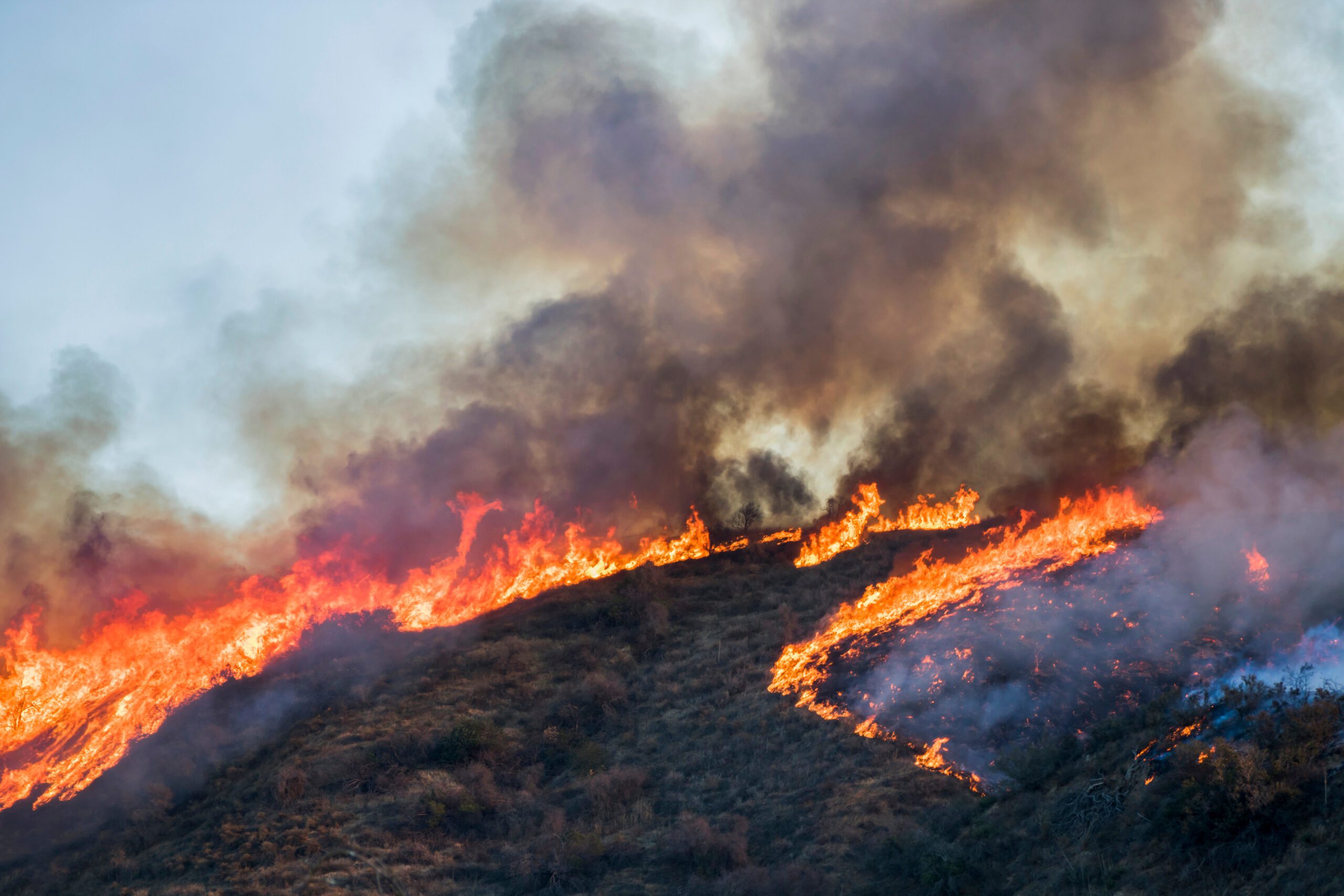
- Firefighters have responded to 966 wildfires across England and Wales this year, including 185 in the first 10 days of August alone.
- Warnings come as more than two-thirds of England and all of Wales are officially in drought.
- July was the busiest month on record for wildfires, with 458 incidents.
Fire Chiefs are warning that a fifth heatwave this summer is adding further pressure on fire and rescue services, as firefighters continue to respond to exceptionally high levels of wildfire activity.
National Resilience data shows fire and rescue services in England and Wales have responded to 966 wildfires between 1 January and 10 August 2026, already exceeding the number recorded over the same period in both 2022 (748) and 2025 (848), previously two of the busiest years for wildfire activity on record.
Firefighters have responded to 185 wildfires in the first 10 days of August alone, as much of the UK experiences a fifth heatwave this summer.
The figures come as drought conditions continue to worsen across the country, with more than two-thirds of England and all of Wales now officially in drought.
July was the busiest month ever recorded for wildfires in England and Wales, with firefighters responding to 458 incidents, placing significant pressure on crews and resources across the country.
Fire Chiefs say wildfires are becoming an increasingly regular feature of operational demand, often requiring large numbers of firefighters and specialist resources to be deployed for prolonged periods, while services continue to respond to emergencies in their communities.
With much of the UK now experiencing a fifth heatwave this summer, NFCC is warning that prolonged periods of hot, dry weather can increase the risk of wildfires and place additional strain on fire and rescue services.
Phil Garrigan, Chair of the National Fire Chiefs Council (NFCC), said:
“We’ve dealt with almost 1,000 wildfires already this year and we’re only eleven days into August.
“The combination of drought conditions and another heatwave means the risk of fires remains high, and these incidents can place huge demands on firefighters and specialist resources.
“I’d like to thank firefighters and fire and rescue staff across the country, who have been responding to a high volume of challenging incidents in extremely difficult conditions throughout the summer.
“Many wildfires are preventable, so we’re asking people to be vigilant and take extra care outdoors while these conditions continue.”
Fire Chiefs are urging the public to take extra care during the current hot weather, as many wildfires are caused by human activity and are preventable.
Simple actions such as disposing of cigarettes safely, avoiding the use of disposable barbecues in the countryside and taking litter home can significantly reduce the risk of fires starting.
Wildfire Public Safety Advice
- Avoid using disposable barbecues in open countryside, parks and moorland areas.
- Do not discard cigarettes, matches or glass bottles, as they can ignite dry vegetation and crops.
- Follow local authority guidance on fire risks and restrictions.
- Report any signs of fire immediately by calling 999 and asking for the Fire and Rescue Service.
- If you notice suspicious behaviour or see someone intentionally starting a fire, contact the Police on 101 or report information anonymously to Crimestoppers on 0800 555 111.
- If there is a fire, call 999 immediately.
ENDS
Notes to Editors
- National Resilience data, provided directly to NFCC, shows fire and rescue services in England and Wales have responded to the following number of wildfires annually:
- 2021: 223
- 2022: 994
- 2023: 293
- 2024: 200
- 2025: 1,017
- 2026 (to 10 August): 966 (this exceeds the number recorded over the same period – 1 Jan to 10 August – in both 2022 (748) and 2025 (848) which are two of the busiest wildfire years on record).
- Wildfire incidents recorded in 2026 by month:
- January: 1
- February: 2
- March: 87
- April: 173
- May: 43
- June: 17
- July: 458
- August (to 10 August): 185
- Under NFCC’s Operational Guidance definition, used by fire and rescue services in England and Wales, a wildfire meets one or more of the following criteria:
- Involves a geographical area of at least one hectare (10,000 square metres)
- Has a sustained flame length of more than 1.5 metres
- Requires a committed resource of at least four fire and rescue service appliances/resources
- Requires resources to be committed for at least six hours
- Presents a serious threat to life, environment, property and infrastructure
- The National Fire Chiefs Council (NFCC) is a charity and an independent membership association and the professional voice of the UK Fire and Rescue Service. NFCC supports fire and rescue services to help save lives and keep local communities safe.