Published 17 August 2026
Wildfire Update: Continued Vigilance Needed
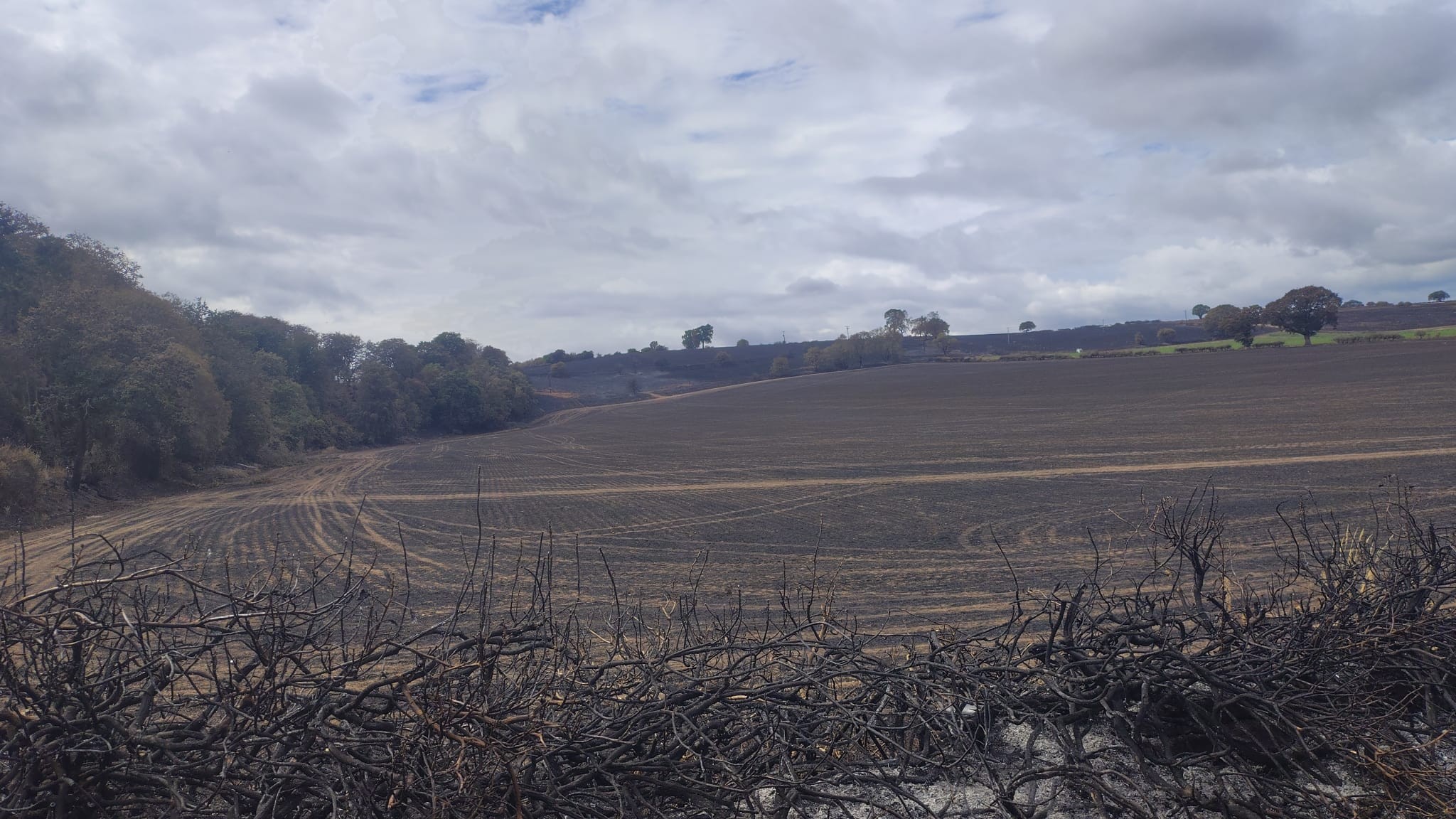
Responding to the sustained period of wildfire activity across the UK, Phil Garrigan, Chair of the National Fire Chiefs Council, said:
“This has undoubtedly been an incredibly tough period for fire and rescue services, but we are beginning to see incident numbers reduce and that is welcome news.
“I want to pay tribute to the outstanding dedication and professionalism of firefighters, fire control room teams and all those supporting the response behind the scenes. For weeks they have worked tirelessly in exceptionally challenging conditions, often responding to multiple incidents simultaneously, to protect lives, homes, businesses and our natural environment.
“It has also been fantastic to see how the public have responded following Friday’s emergency alert and the support they have shown their local fire and rescue services. People have listened to the advice, taken sensible precautions and helped reduce the risk of further fires at a time when emergency services have been under immense pressure.
“But we are not out of this yet. Conditions remain exceptionally dry in many parts of the country and it only takes one spark to start a serious wildfire. We have seen first-hand the devastating consequences these fires can have for communities, wildlife and property. I would therefore urge everyone to remain vigilant, continue to follow public safety advice and avoid any activity that could start a fire.
“The progress we are seeing is encouraging, but continued public support and responsibility will be critical in the days ahead as firefighters and fire control teams continue their work to keep communities safe.”
ENDS
Notes to editors
- National Resilience data, provided directly to NFCC, shows fire and rescue services in England and Wales have responded to 1,132 wildfires between 1st January and 16 August 2026, surpassing the 1,017 total for the whole of 2025.
- Under NFCC’s Operational Guidance definition, used by fire and rescue services in England and Wales, a wildfire meets one or more of the following criteria:
- Involves a geographical area of at least one hectare (10,000 square metres)
- Has a sustained flame length of more than 1.5 metres
- Requires a committed resource of at least four fire and rescue service appliances/resources
- Requires resources to be committed for at least six hours
- Presents a serious threat to life, environment, property and infrastructure
- The National Fire Chiefs Council (NFCC) is a charity and an independent membership association and the professional voice of the UK Fire and Rescue Service. NFCC supports fire and rescue services to help save lives and keep local communities safe.