Fire safety guidance on artificial foliage in commercial premises
Navigation
Section
Fire and life safety risks of artificial foliage
Artificial foliage and untreated decorative materials can present a serious fire hazard because they are often manufactured from combustible synthetic materials, including polyethylene, polypropylene and polyester. While these materials have different combustion characteristics, the key hazards and risks can be broadly grouped as follows:
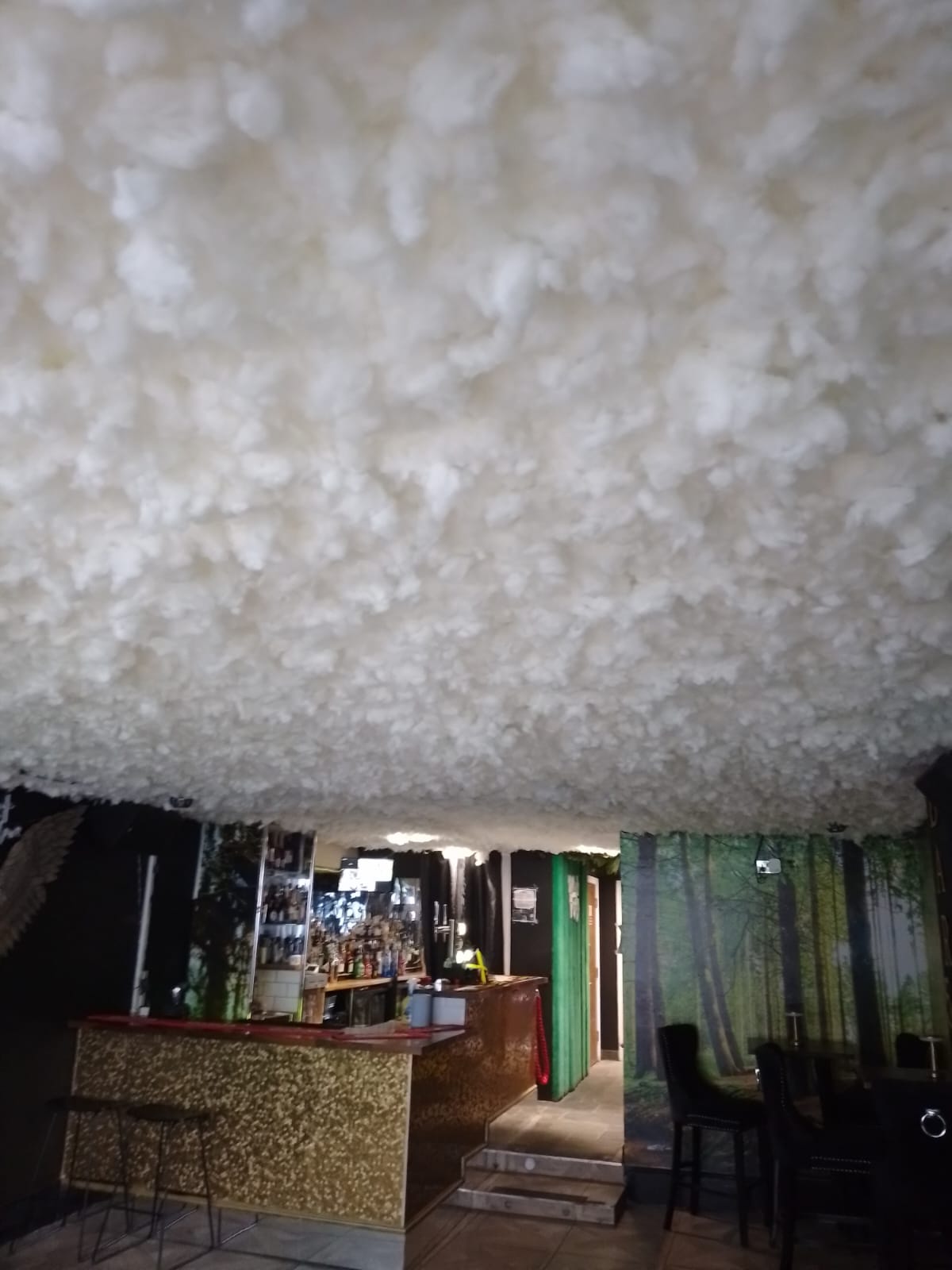
- Potential for easy ignition: Untreated artificial foliage and decorative materials can ignite readily. Even small ignition sources such as candles or a discarded match can set these materials alight. Potential ignition sources range from open flames, such as candles and flambé dishes; indoor pyrotechnics, such as sparkling drink fountains and stage effects; smoking materials, like matches and lighters; and faulty electrical appliances. All of which have been known to start fires involving artificial foliage and other such materials.
- Rapid fire spread and heat release: Once ignited, flames can spread extremely quickly over unprotected artificial foliage, particularly when they form a continuous decoration across walls or ceilings. The large surface area and thin plastic structure can lead to fast-growing fires, resulting in high heat rates and may contribute to flashovers. Vertical, corner or ceiling-mounted installations can significantly increase the rate of fire spread, which can drastically reduce the available escape time.
- Smoke production and toxicity: Burning artificial foliage can produce dense, obscuring smoke. Many plastics release toxic gases when ignited, such as carbon monoxide and hydrogen cyanide from polyurethane or polyester, that impair visibility and breathing for occupants, further complicating escape and firefighting. Smoke and fumes can cause disorientation, adversely affecting human behaviour by reducing occupants’ ability to find exits and increasing the likelihood of irrational decisions under duress.
- Melting and dripping debris: Certain synthetic materials, such as polyester and nylon, will melt and produce flaming droplets when burning. These droplets can cause burns, ignite other materials or start secondary fires along escape paths. They may also fall onto escape route floors, forming obstacles or causing people to hesitate or change route due to intense heat, thus delaying or even preventing evacuation.
- Obstruction of safety systems: Large artificial foliage can impair the operation of fire safety systems. For example, dense foliage near smoke detectors or sprinklers can block them from sensing heat or smoke, or from distributing water effectively. Dangling vines or floral displays might also obscure exit signs or emergency lighting, further affecting occupant evacuation. If such installations fall or sag during a fire, they might physically block doorways or corridors. Additionally, they may also obstruct firefighting operations and create an entanglement risk.
- Human factors: The aesthetic nature of artificial greenery can mislead venue operators or occupants into underestimating its combustibility. A lack of awareness of the fire risk may result in artificial foliage being positioned too close to heat sources or open flames, or in flame-retardant treatments not being adequately maintained. In dimly lit, crowded venues, like nightclubs, initial ignition may go unnoticed by occupants until the fire has grown significantly. Furthermore, occupants’ behaviour under the influence of alcohol could hinder prompt evacuation or even lead to careless use of ignition sources near decorations, for example, waving sparklers that ignite overhead décor. These factors should be considered when assessing the overall risk
Historic fire incidents
Multiple historic fire incidents have demonstrated the above hazards. For instance, the 1942 Cocoanut Grove nightclub fire in Boston, US, was believed to have started when artificial palm trees ignited, ultimately contributing to 492 fatalities. More recently, in 2009, the Lame Horse nightclub in Russia, which killed 152 people and the Kocani club in North Macedonia in 2025, with 63 fatalities. While not every premises has such large-scale installations, even smaller-scale fires can be deadly where foliage is involved. This underlines why each premises’ fire risk assessment should account for any artificial foliage present and its potential impact on fire development and safe evacuation.